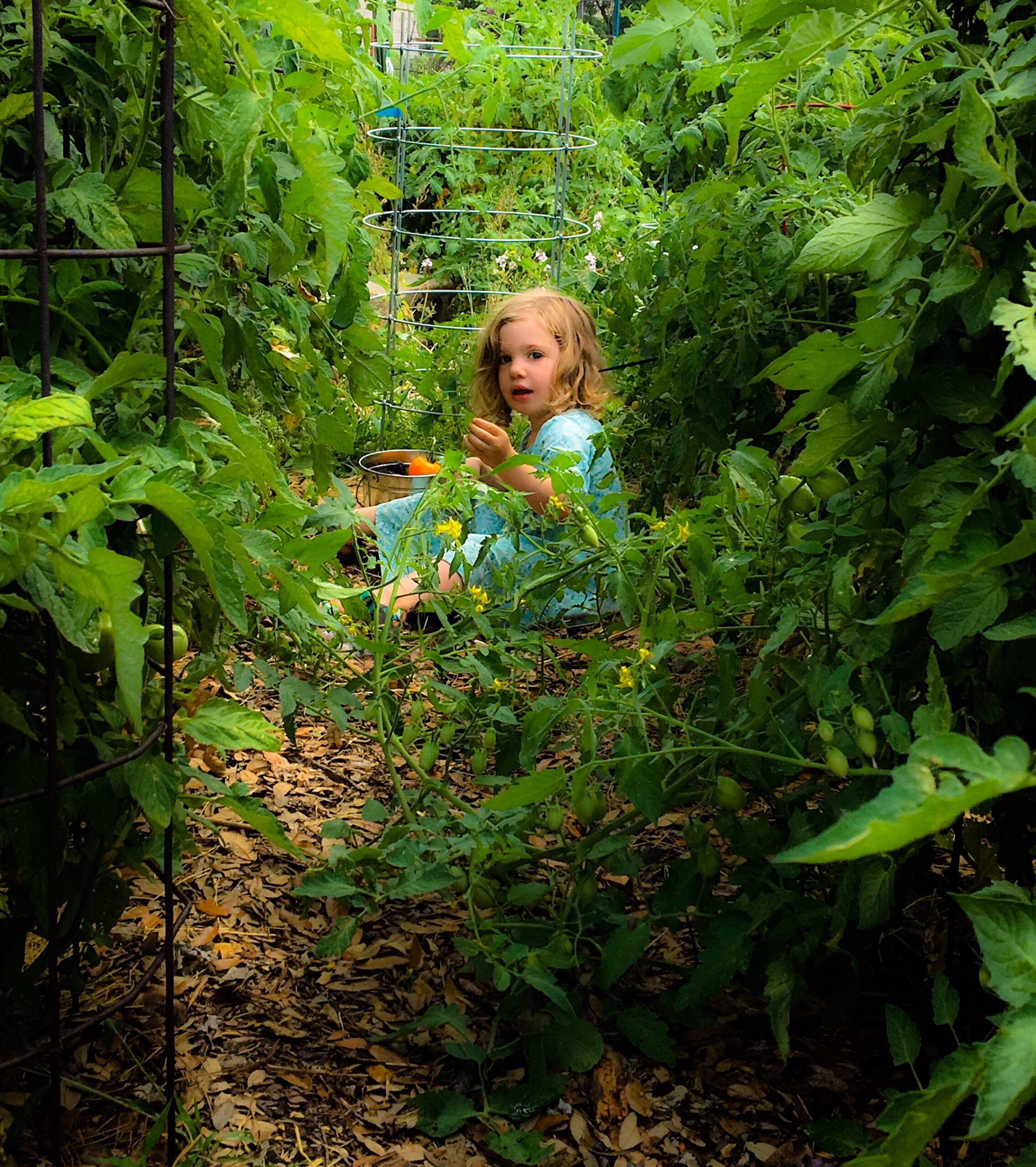
About Wild Mountain Ranch
It started with a spoonful of ground beef.
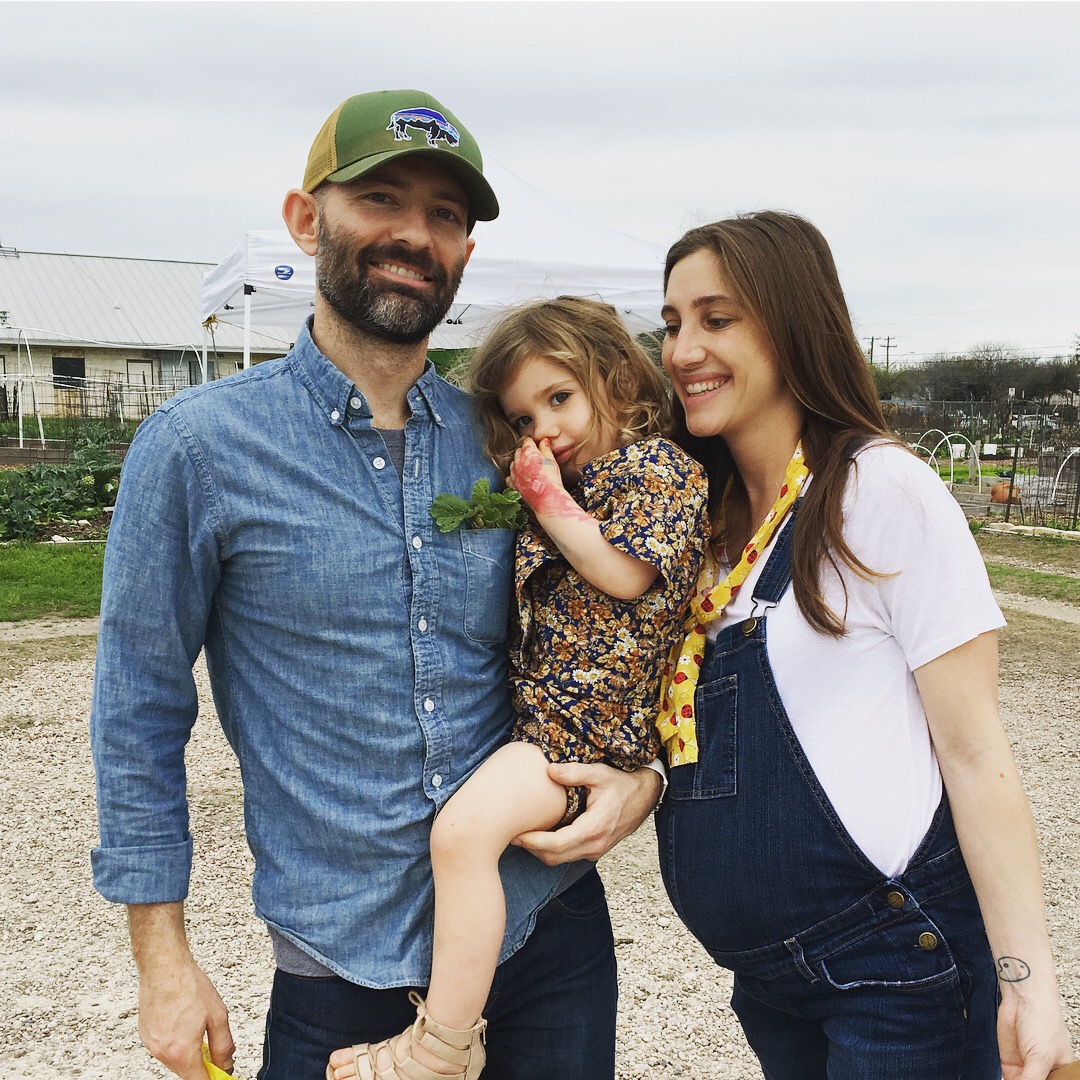
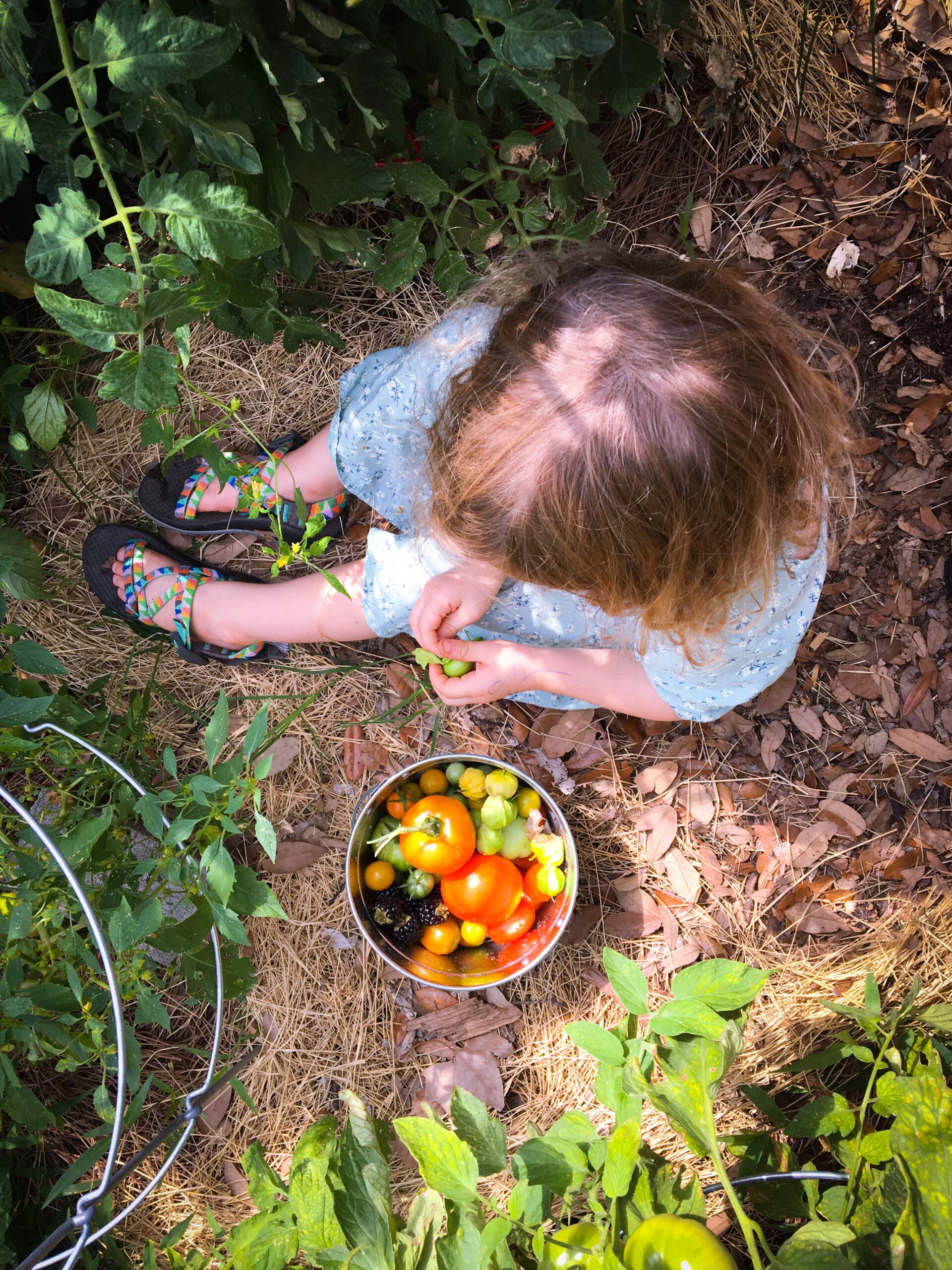
Our oldest daughter, Scout, was about nine months old when we began introducing her to solid foods. One day, I sat down to feed her ground beef for the first time and found myself staring at that little bite differently.
I didn't feel confident about what was in it. I didn't know enough about how the animal had been raised, what it had eaten, or the life it had lived before becoming food for my daughter.
And suddenly, that mattered enormously.
At the same time, I had been watching Scout discover the world. She loved animals. She loved being outside. And somewhere between feeding a baby, thinking about where our food came from, and imagining the kind of childhood I wanted our children to have, a completely unexpected thought landed:
I wanted to become a farmer and rancher.
When I told my husband, Dan, his reaction was roughly what you'd expect.
You want to be a what now?
At the time, I had a corporate career. Ranching wasn't the obvious next rung on that particular ladder. But the more I thought about it, the more everything seemed to click into place.
If I was going to spend my life working, I wanted the work to mean something. I wanted our children to grow up seeing where their food came from and understanding the responsibility that comes with producing it. I wanted to take some of those decisions into my own hands.
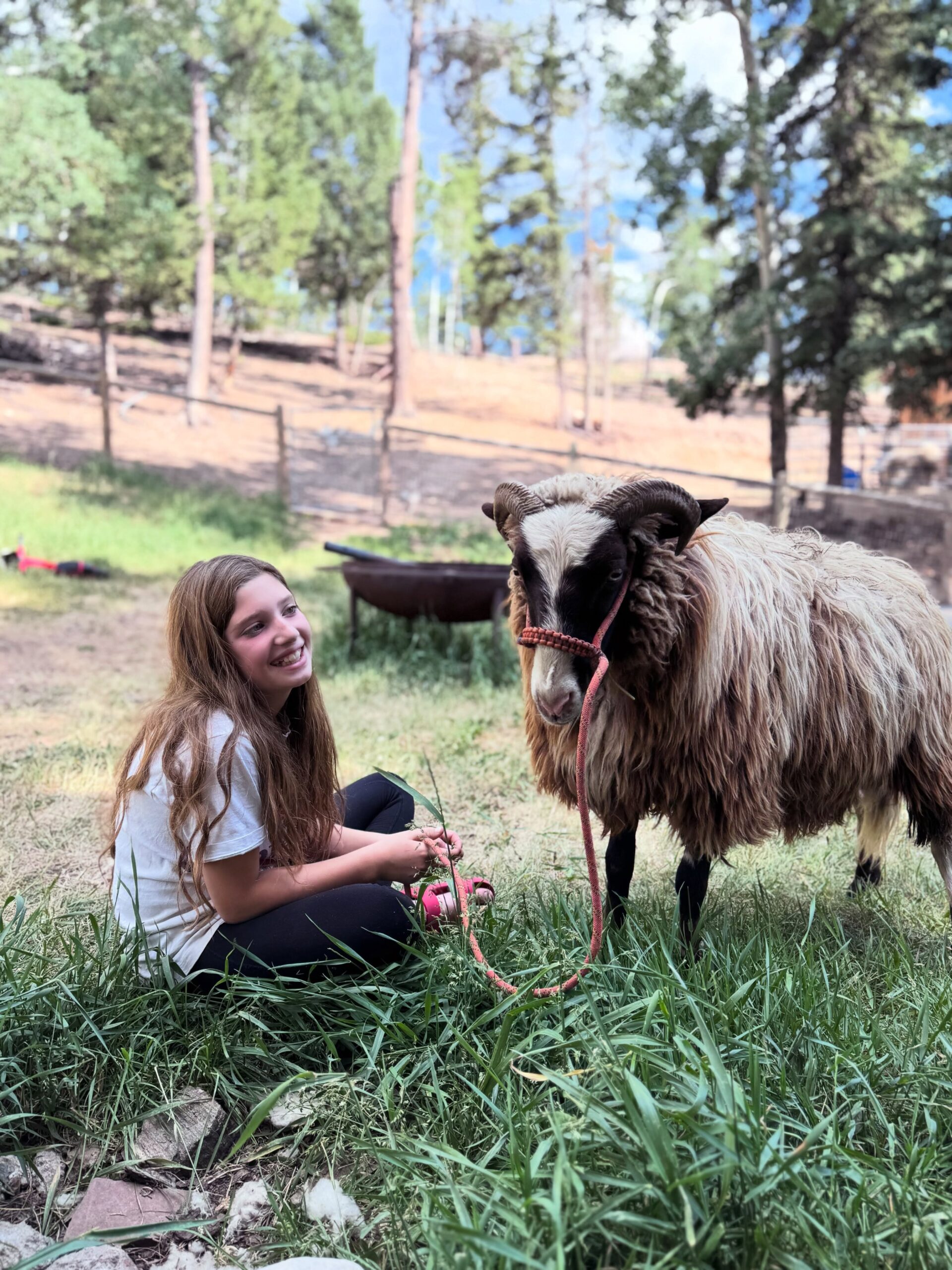
And farming and ranching offered something remarkably rare: work we could actually do with our children beside us.
I loved the whole picture.
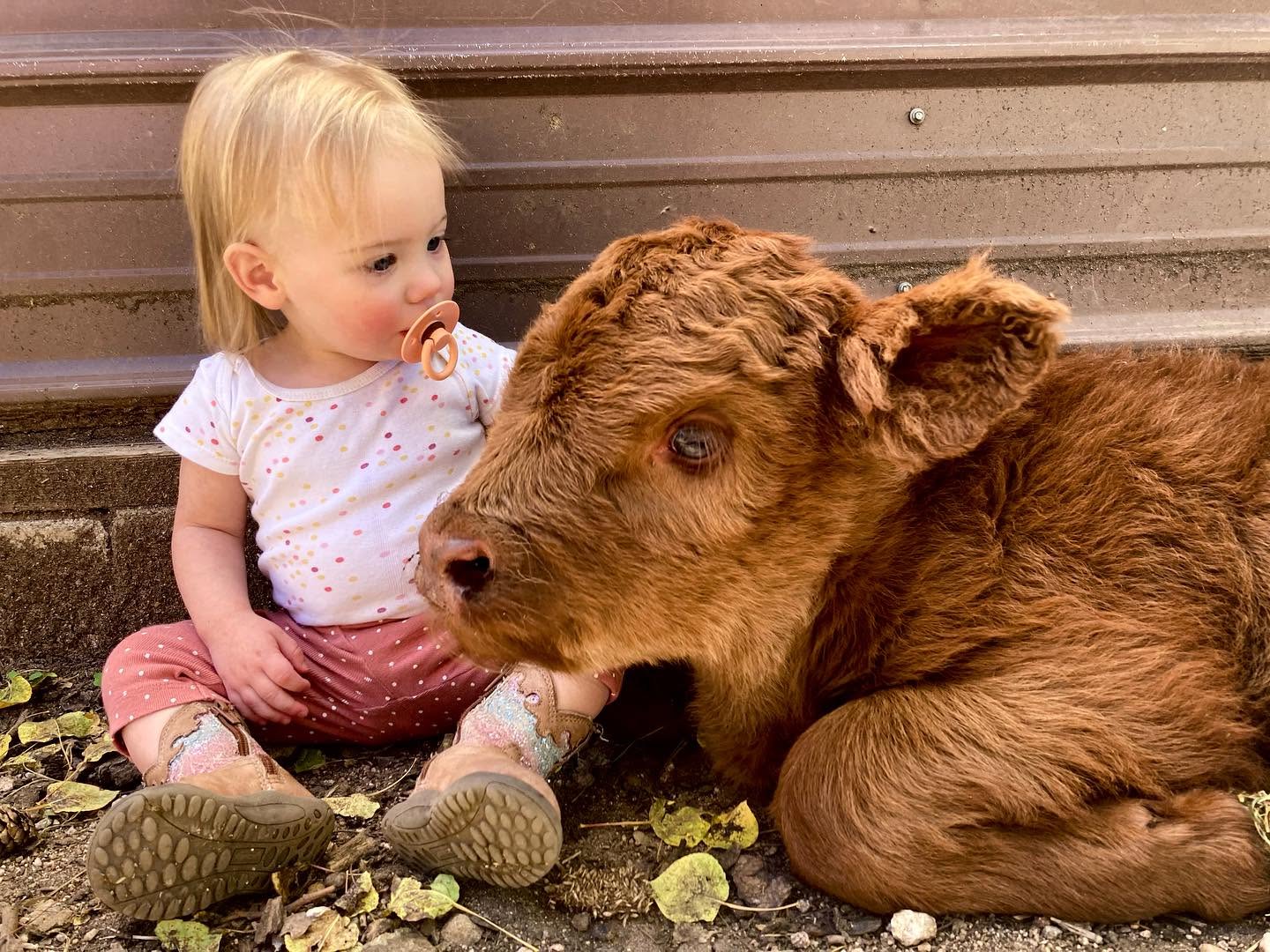
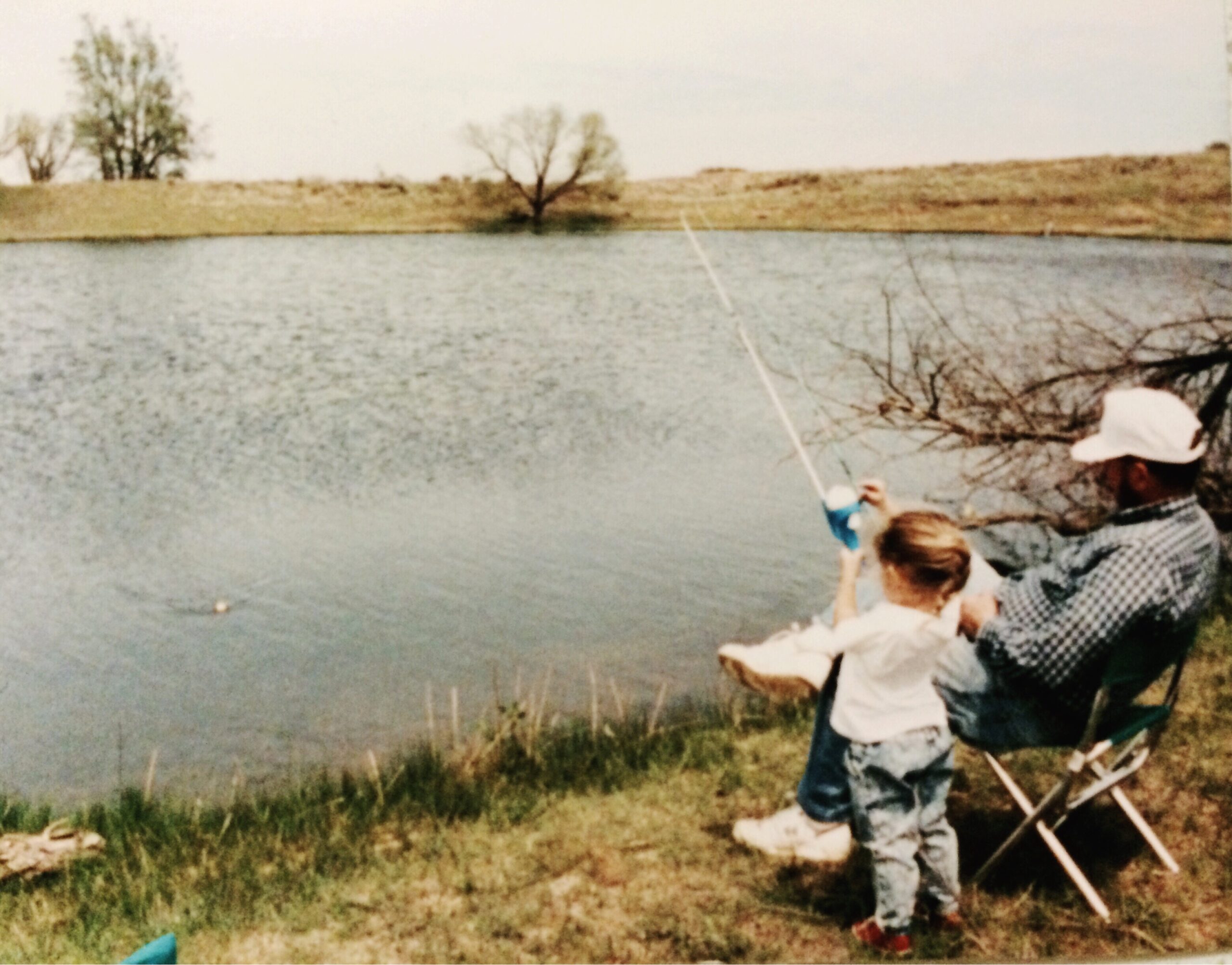
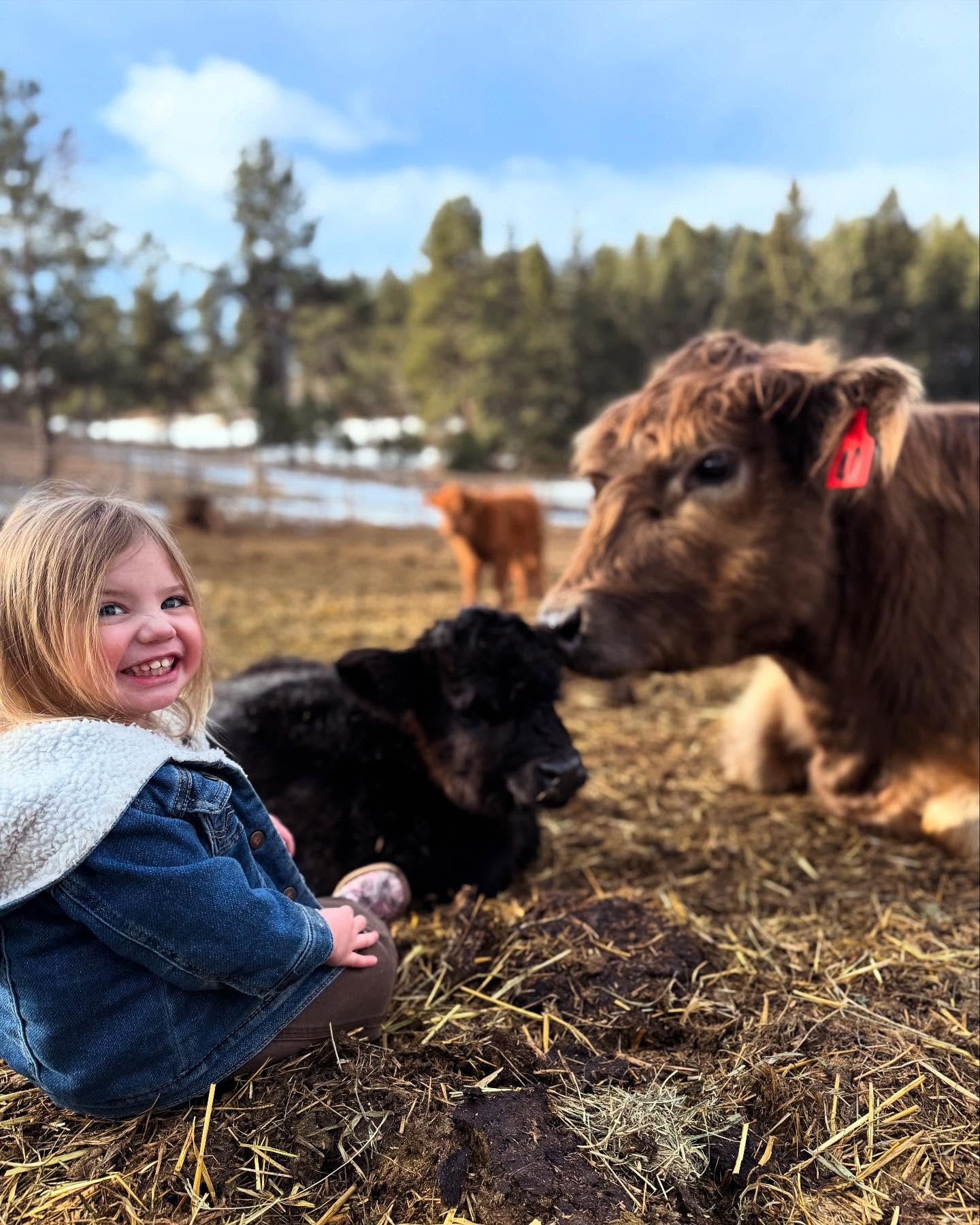
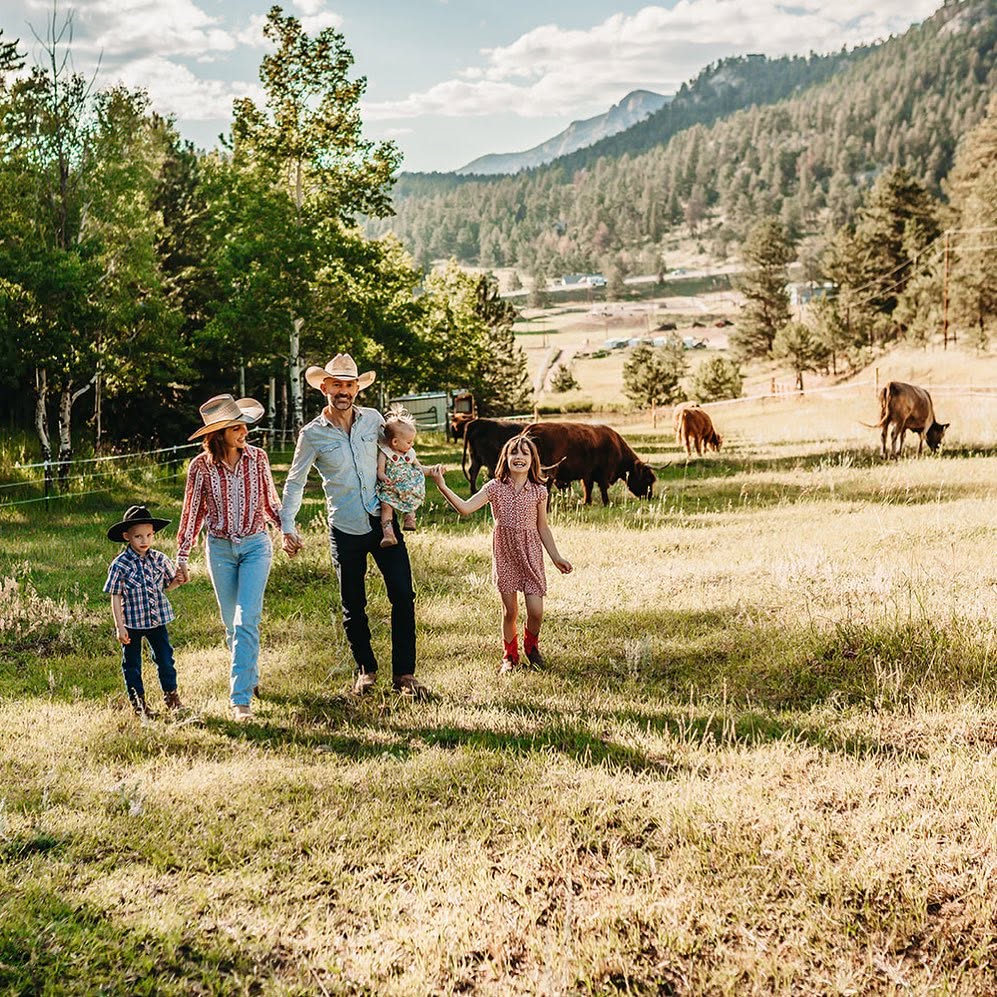
From Texas to the Mountains
Then came the small matter of figuring out where to do it.
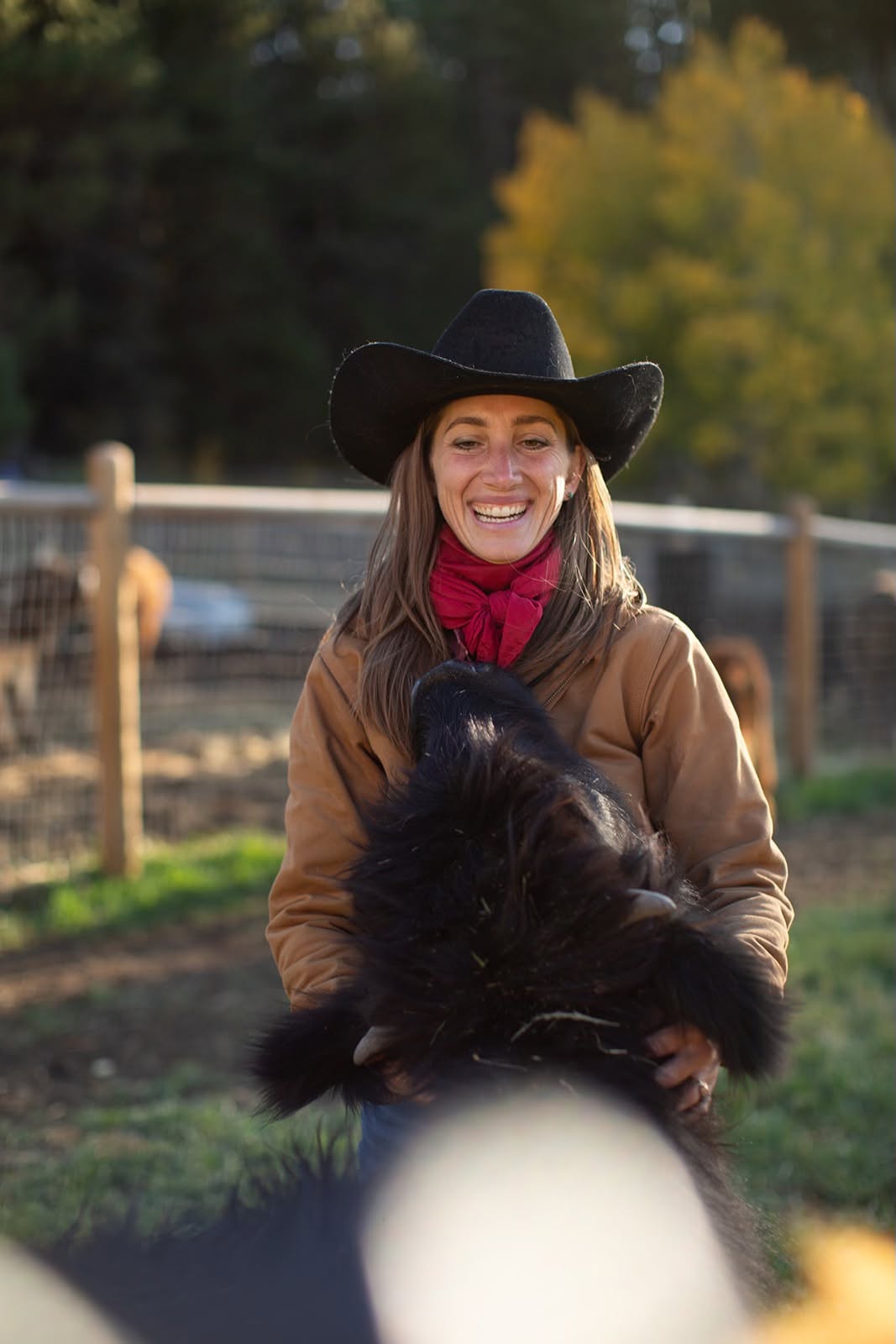
We began researching places to build a farm and ranch. Central Texas was hot, Dan loved the mountains, and somehow my mountain-loving husband convinced a Texas-born girl to pack up and head for higher ground.
Eventually, we found our place.
Calling it a working ranch at the time would have required a fairly generous imagination. The property had previously been home to motocross dirt-bike tracks and yaks, which remains one of the more unusual combinations in our ranch's history.
We had work to do.
We began the long process of turning the land into a functioning farm and ranch while researching livestock capable of thriving in mountainous terrain, high elevation, and a demanding climate.
That search led us to two remarkable old breeds:
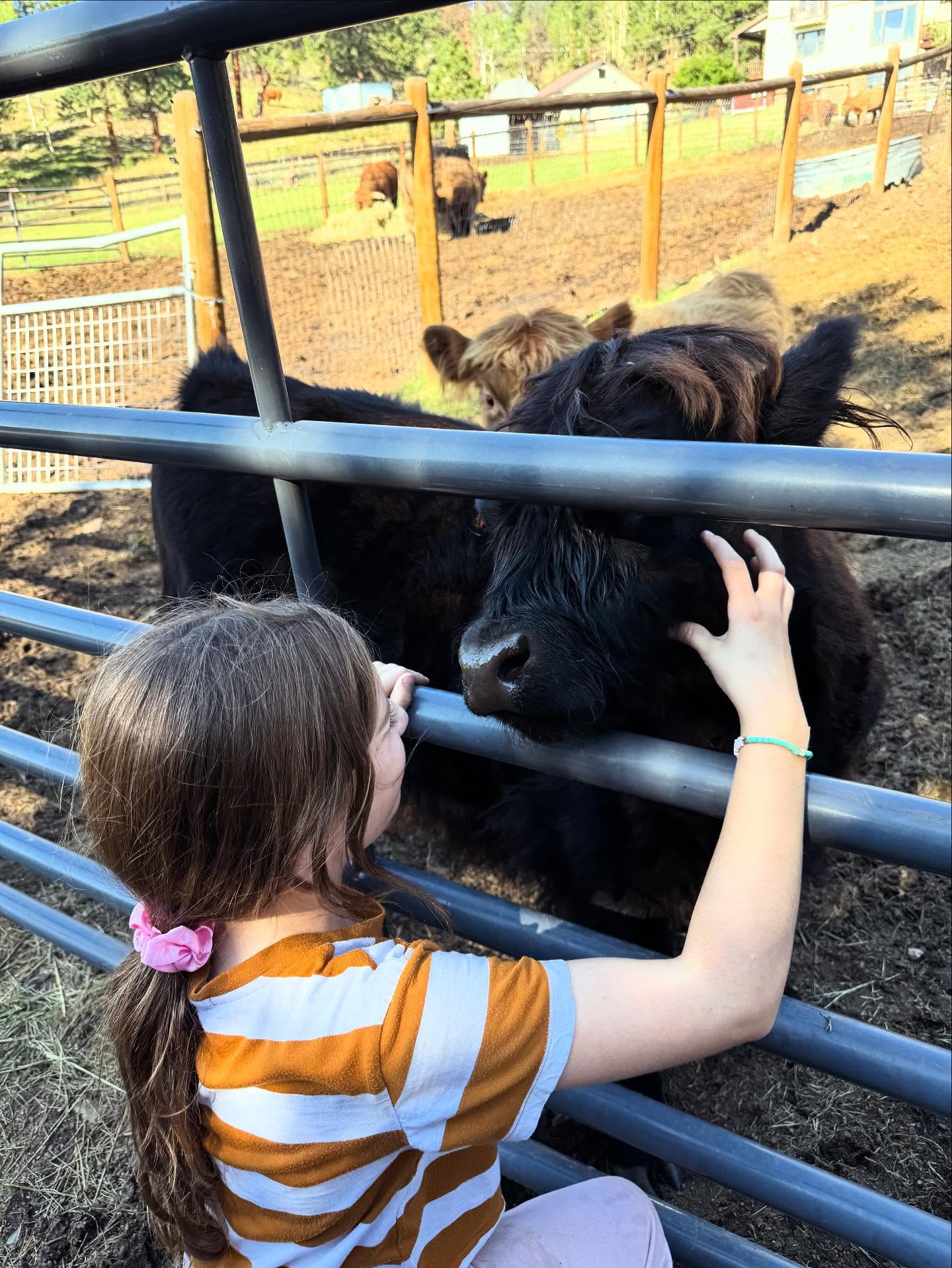
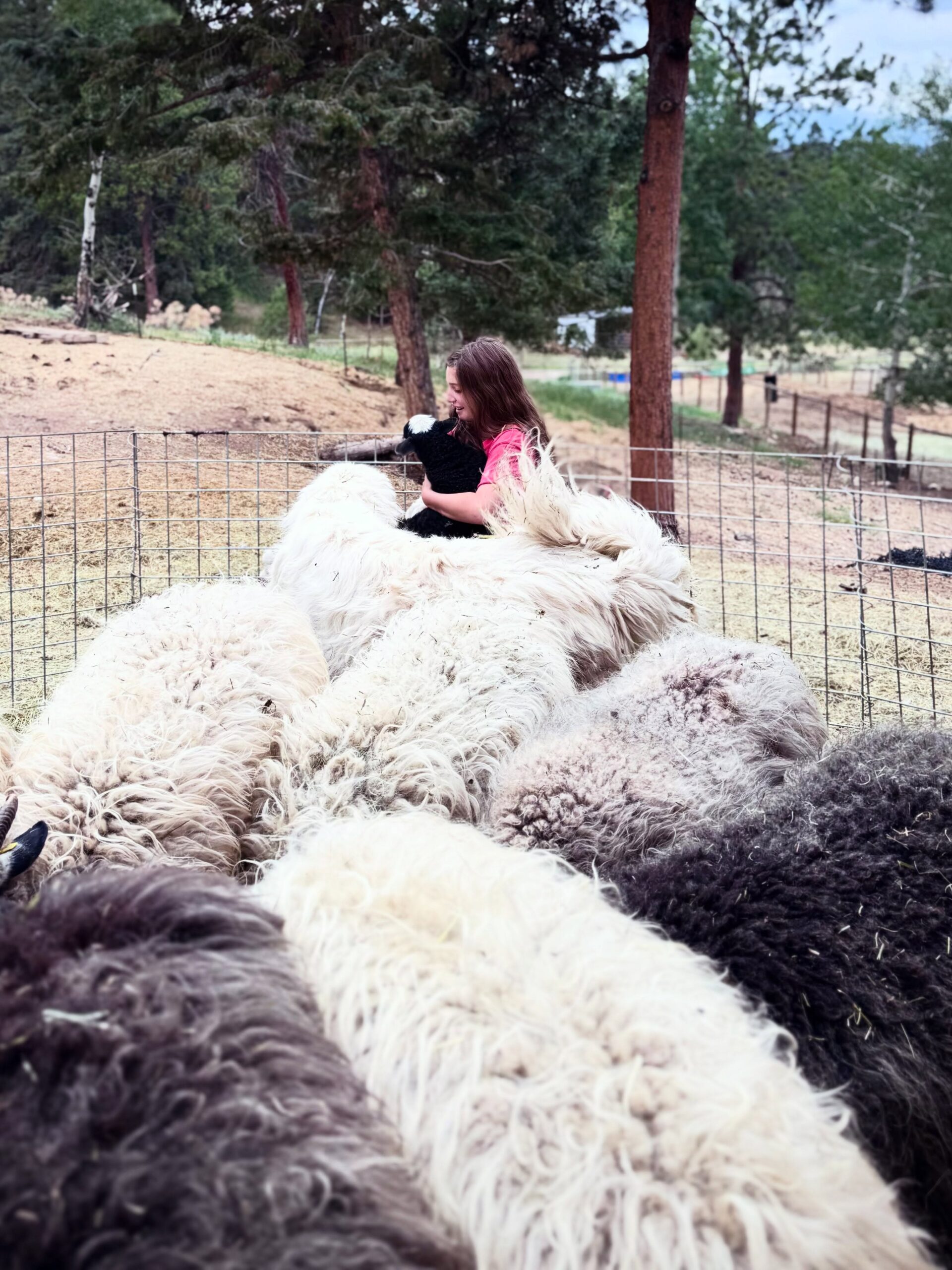
Scottish Highland cattle and Navajo-Churro sheep.
And that changed everything.
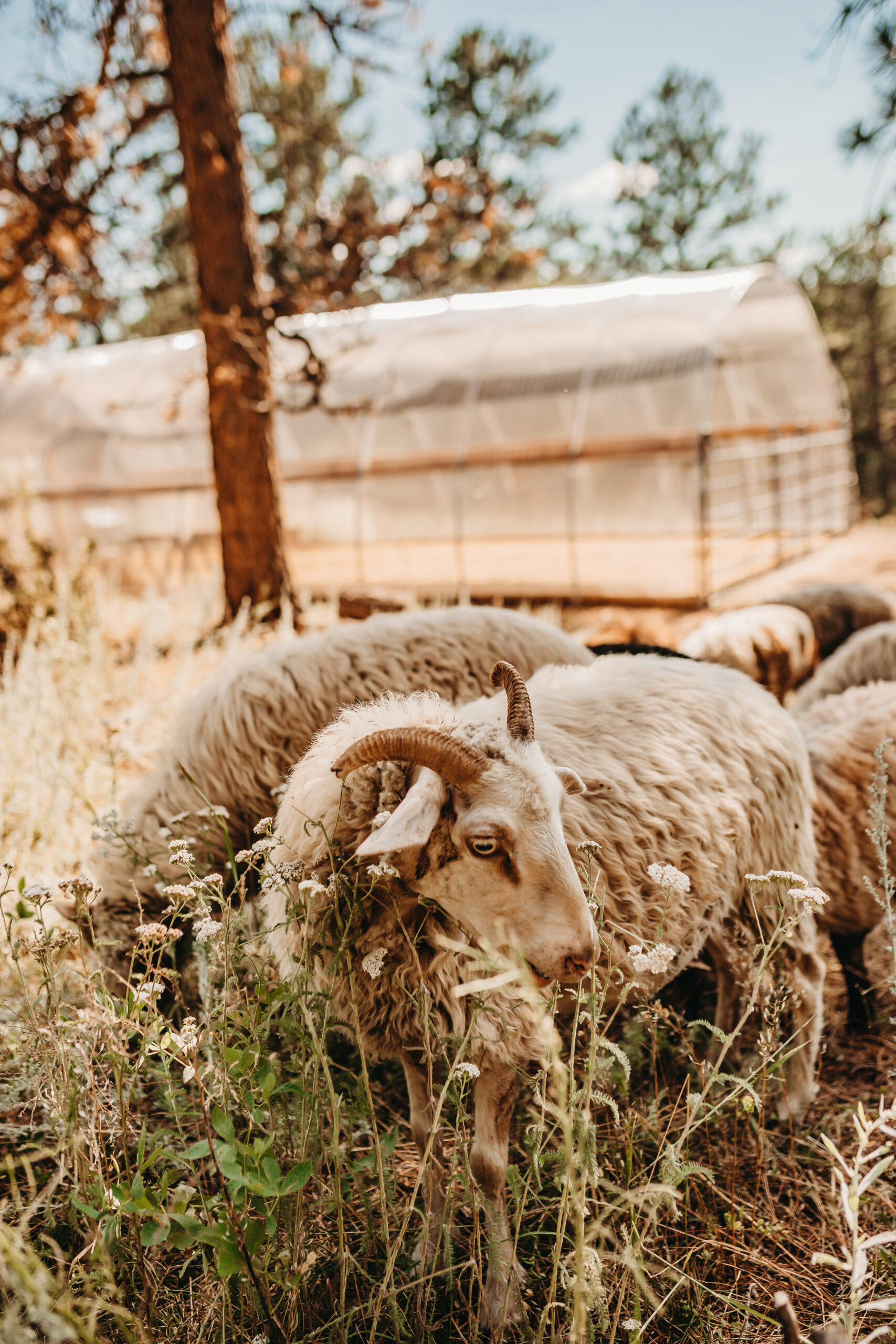
We went looking for hardy livestock. We found living history.
These weren't simply animals well suited to our land.
The deeper I dug into their histories, the more fascinated I became by the generations of people, places, cultures, and agricultural knowledge woven into their bloodlines. These were animals shaped by difficult landscapes and generations of human stewardship.
There was also an unexpected personal connection. My own ancestry traces back to the same parts of the world connected to these breeds. After leaving Texas for the mountains and stumbling into two livestock breeds whose histories felt strangely familiar, it was difficult not to feel that we had found our way to exactly where we were supposed to be.
But I also discovered something troubling.
Traditional livestock breeds that had once played important roles in agriculture had become uncommon as food production increasingly centered around a relatively small number of modern commercial breeds.
What began as a search for the right animals for our ranch became something much bigger.
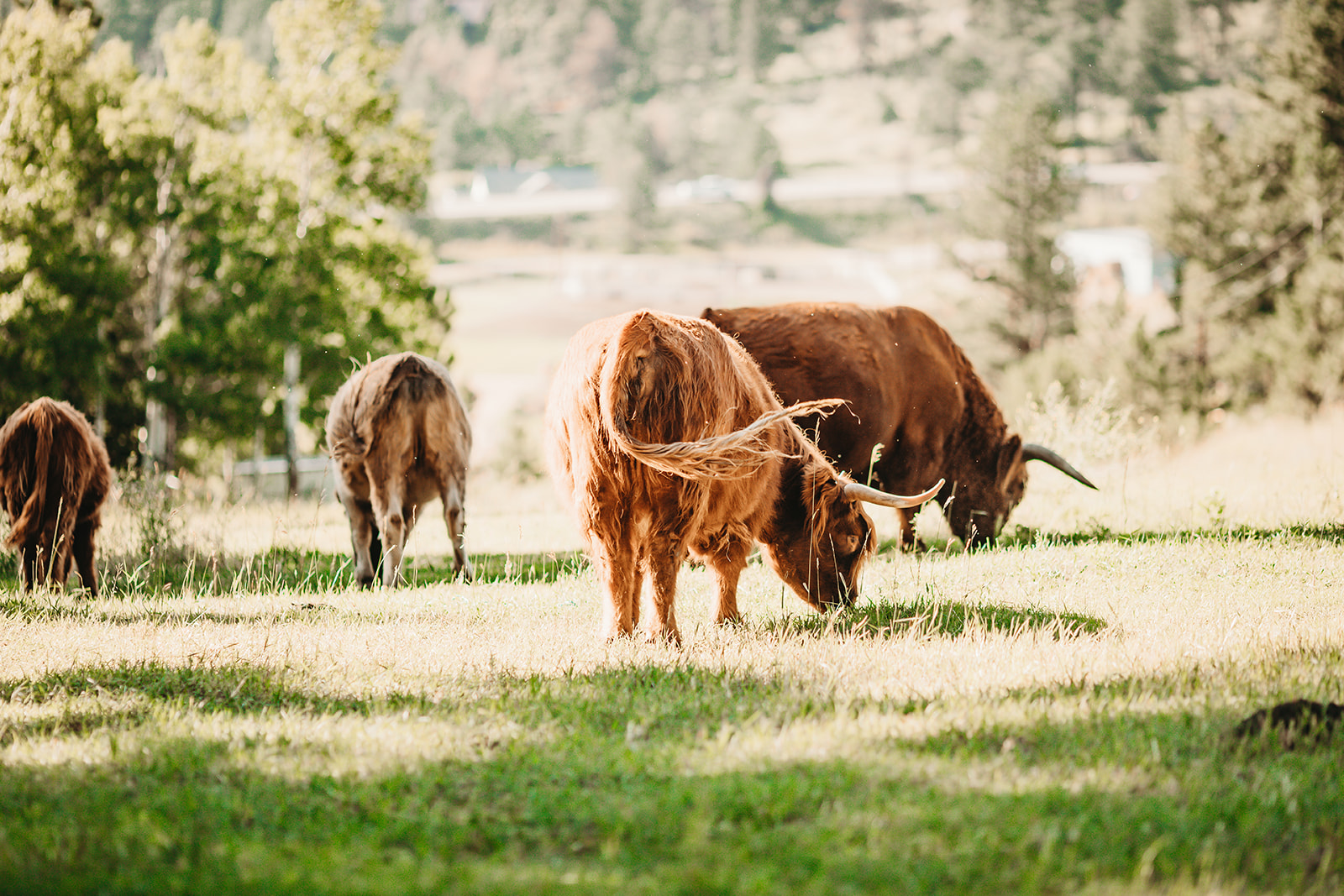
Somewhere along the way, our mission changed.
I had started with a deeply personal goal: create a meaningful life for our family, raise our children close to animals and the land, and produce food we could know and trust.
Then I began recognizing a larger pattern.
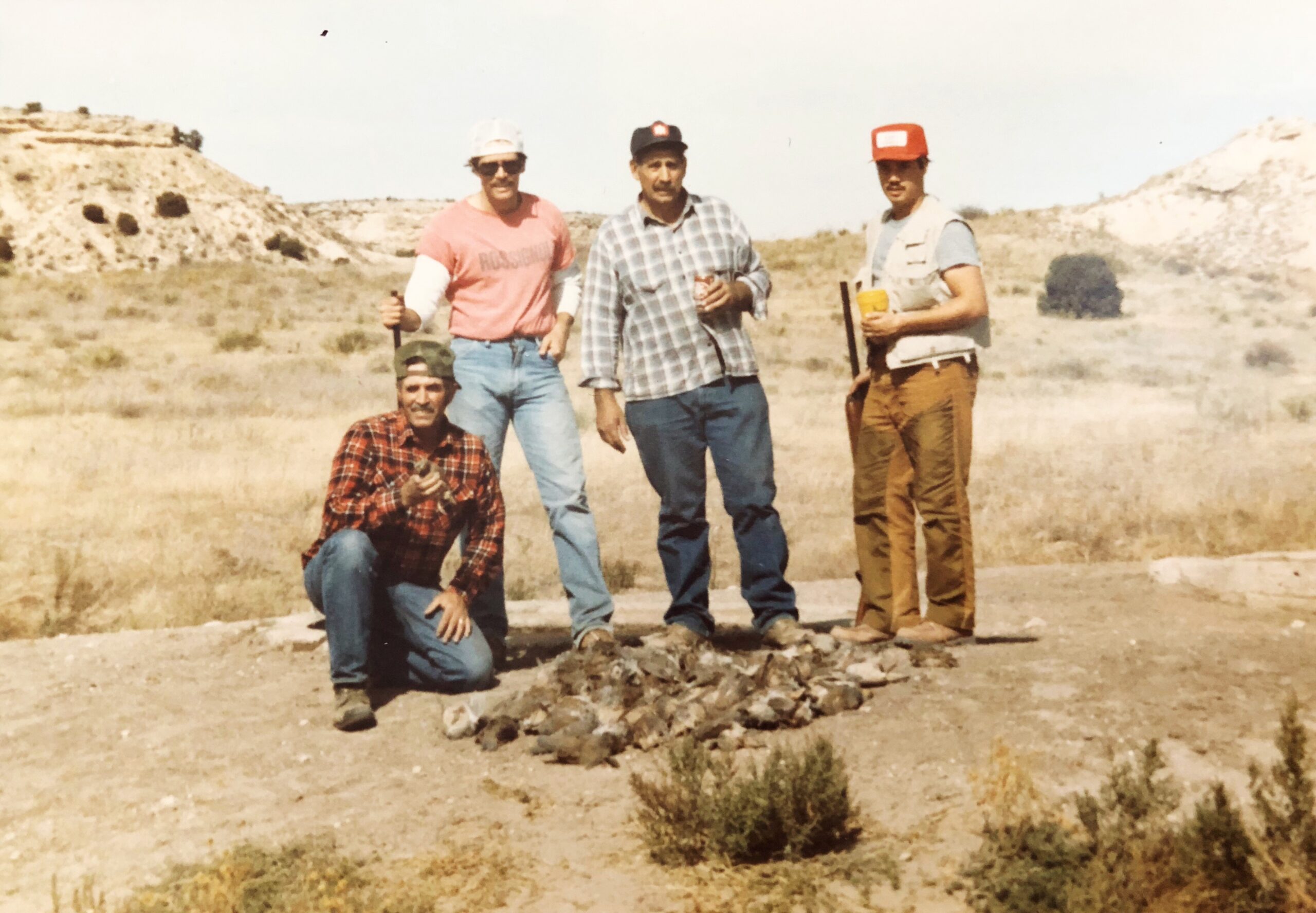
My great-grandparents had been ranchers. Somewhere between their generation and mine, that connection had been lost.
The breeds we were raising carried agricultural histories that were also at risk of being lost.
And a way of life that once connected many families directly to land, livestock, seasons, and food production had become unfamiliar to much of modern life.
I began to understand that perhaps our job wasn't to recreate the past.
It was to carry the parts worth keeping forward.
Preserving heritage means giving it a future.
Today, Wild Mountain Ranch exists to preserve and revitalize heritage livestock through a working agricultural system.
We don't believe rare breeds are best preserved simply by keeping a few animals around to admire. They need healthy populations. They need thoughtful breeding. They need good homes and responsible stewards. And ultimately, they need a meaningful place in modern agriculture.
That means rescuing and protecting animals when we can. It means carefully breeding them to strengthen and expand their populations. It means producing breeding stock so other farms and ranches can carry these genetics forward.
And it means raising livestock for food.
That last piece matters.
The extraordinary populations of commercial livestock we see today exist because generations of farmers created demand for them by raising animals that were useful and economically sustainable. We believe heritage breeds deserve that same opportunity.
By creating a market for thoughtfully raised heritage meat and making responsible use of the whole animal, we can give these breeds something more powerful than nostalgia:
a reason to keep raising them.
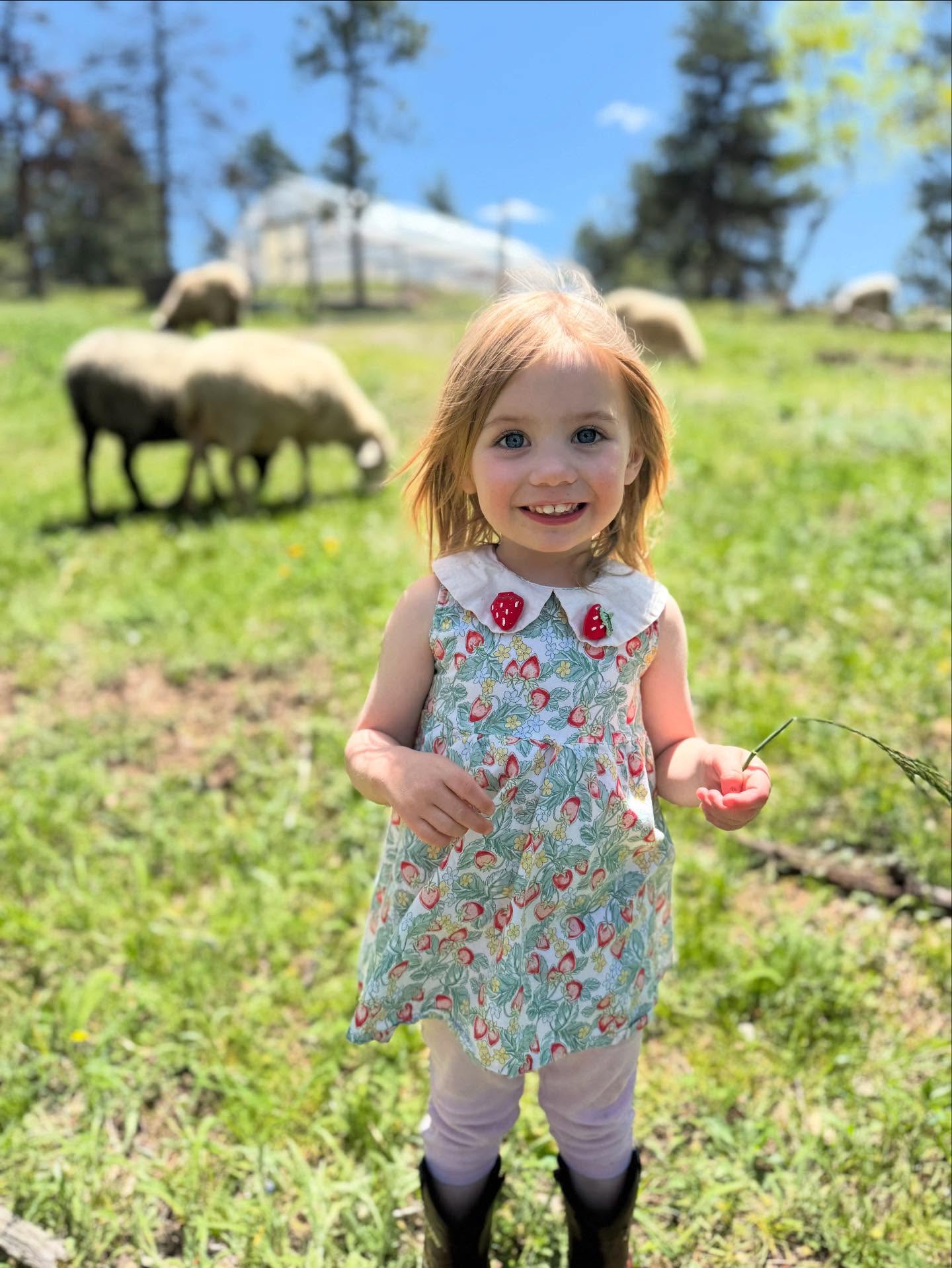
Our children were the beginning. Generations became the purpose.
Ten years ago, I couldn't have imagined what would grow from saying, Let's move to the mountains and become ranchers.
What started around our family table now reaches far beyond it.
Every Highland calf born here matters. Every Navajo-Churro lamb matters. Every breeding animal that goes on to another farm matters. Every pasture we improve, every animal we harvest, and every ranch product that finds its way into another family's home helps support the larger system that keeps these breeds alive.
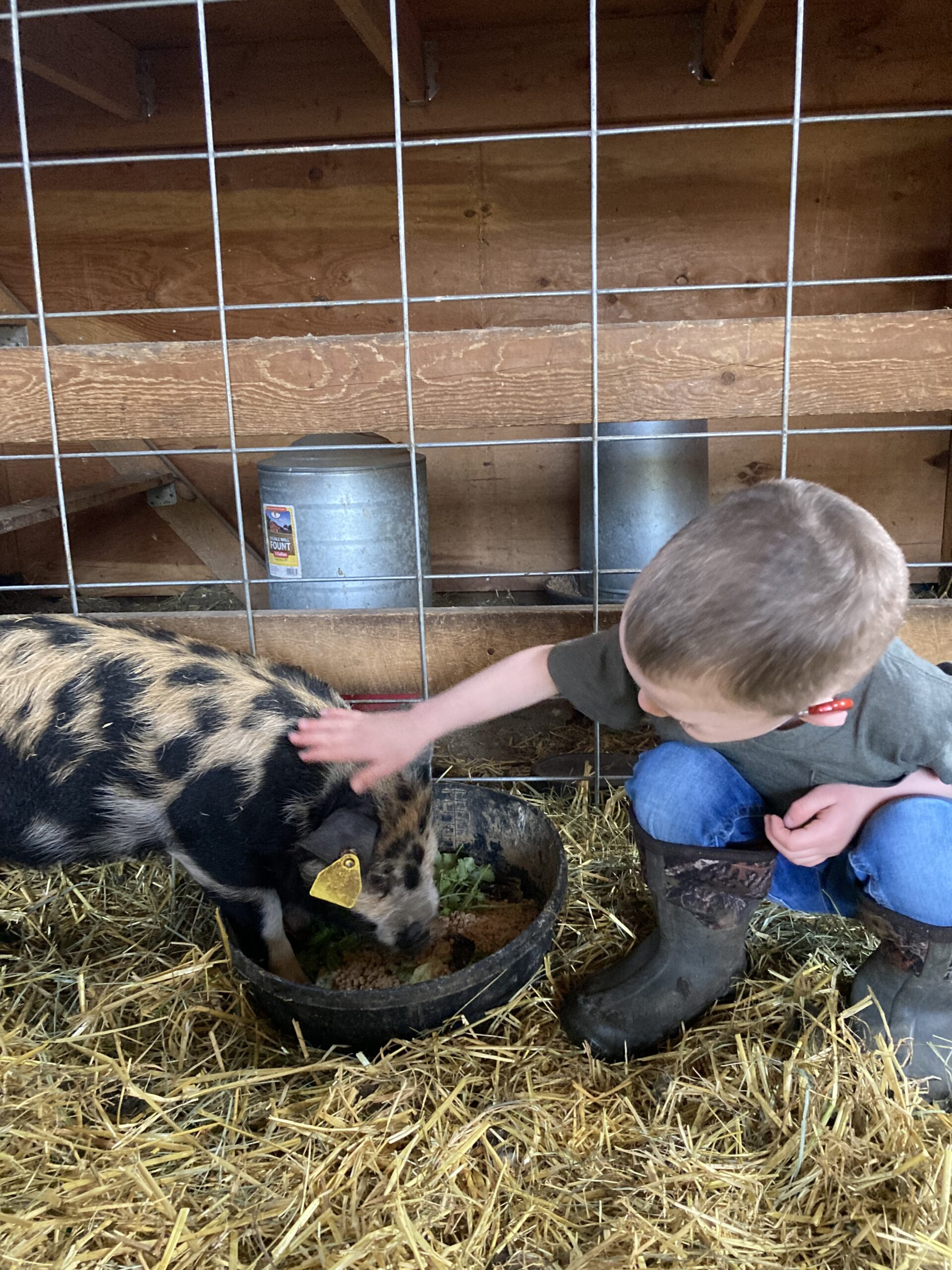
Our children still grow up alongside the work, which was part of the dream from the beginning. But now they're also growing up understanding something we hadn't fully understood when we started:
Stewardship isn't simply taking care of what belongs to you. It's taking responsibility for what has been handed to you, then leaving something worth handing on.
That's what Wild Mountain Ranch has become.
Preserving heritage. Providing for tomorrow.