
Why We Raise Highland Cattle
This Isn’t About Just Beef
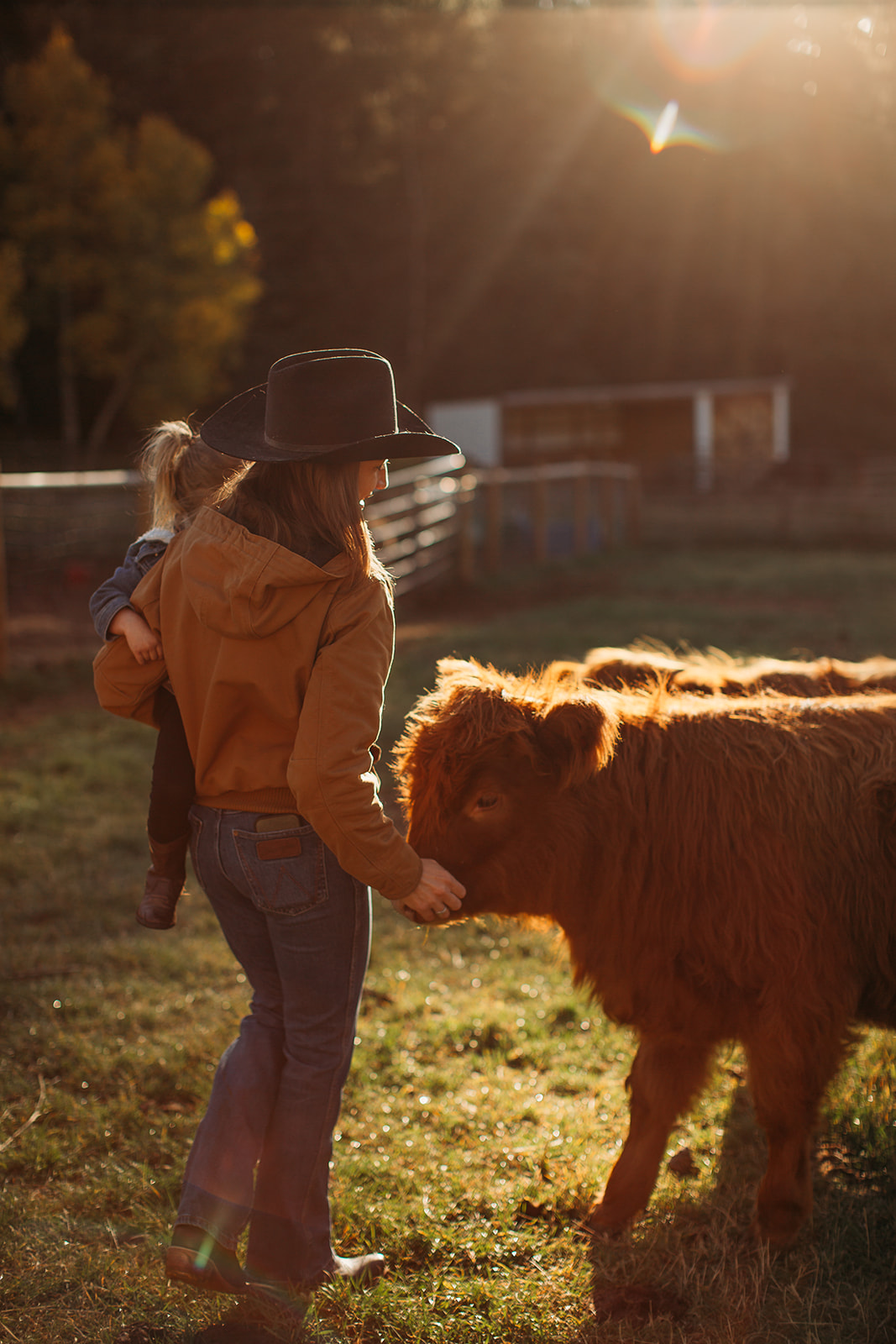
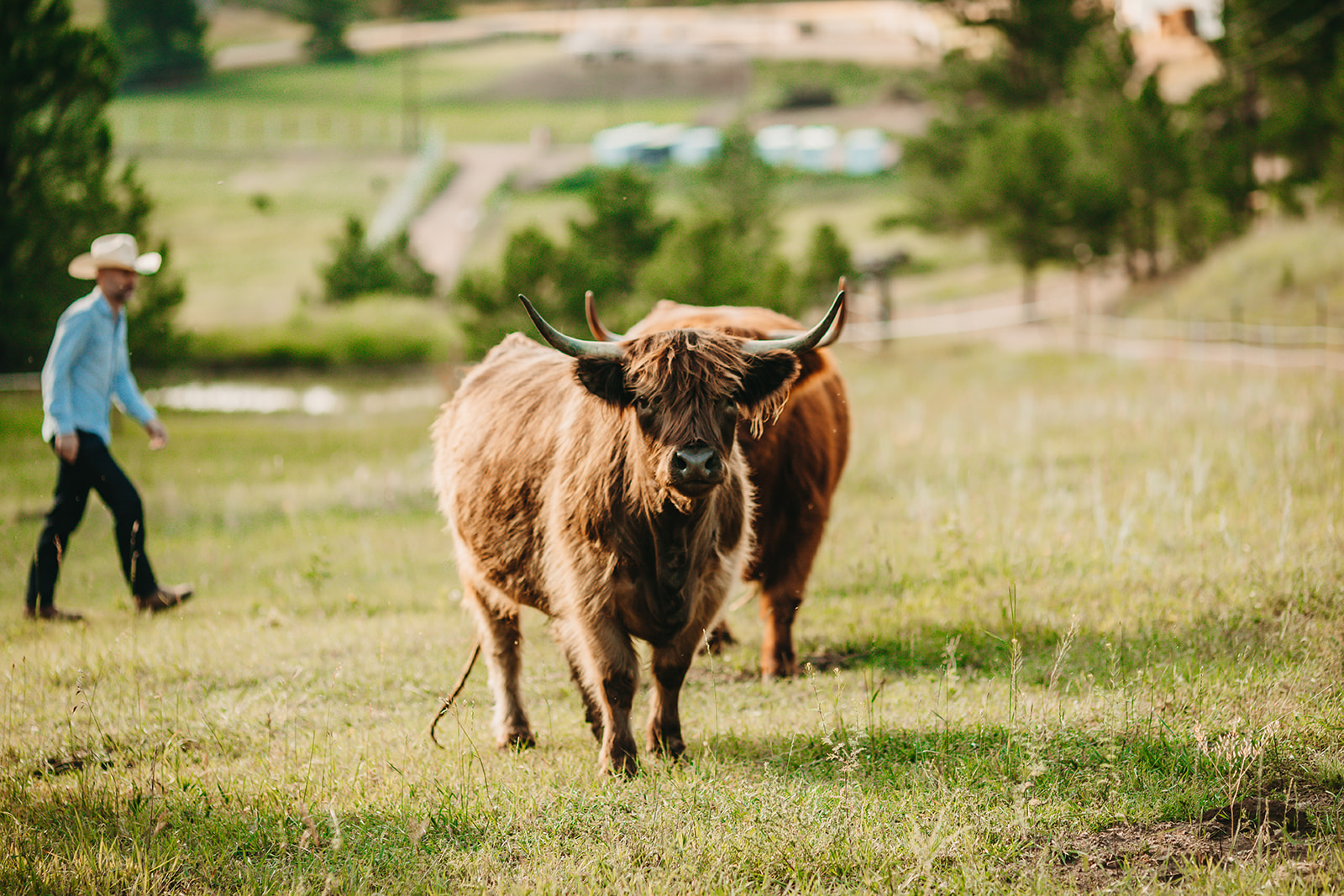
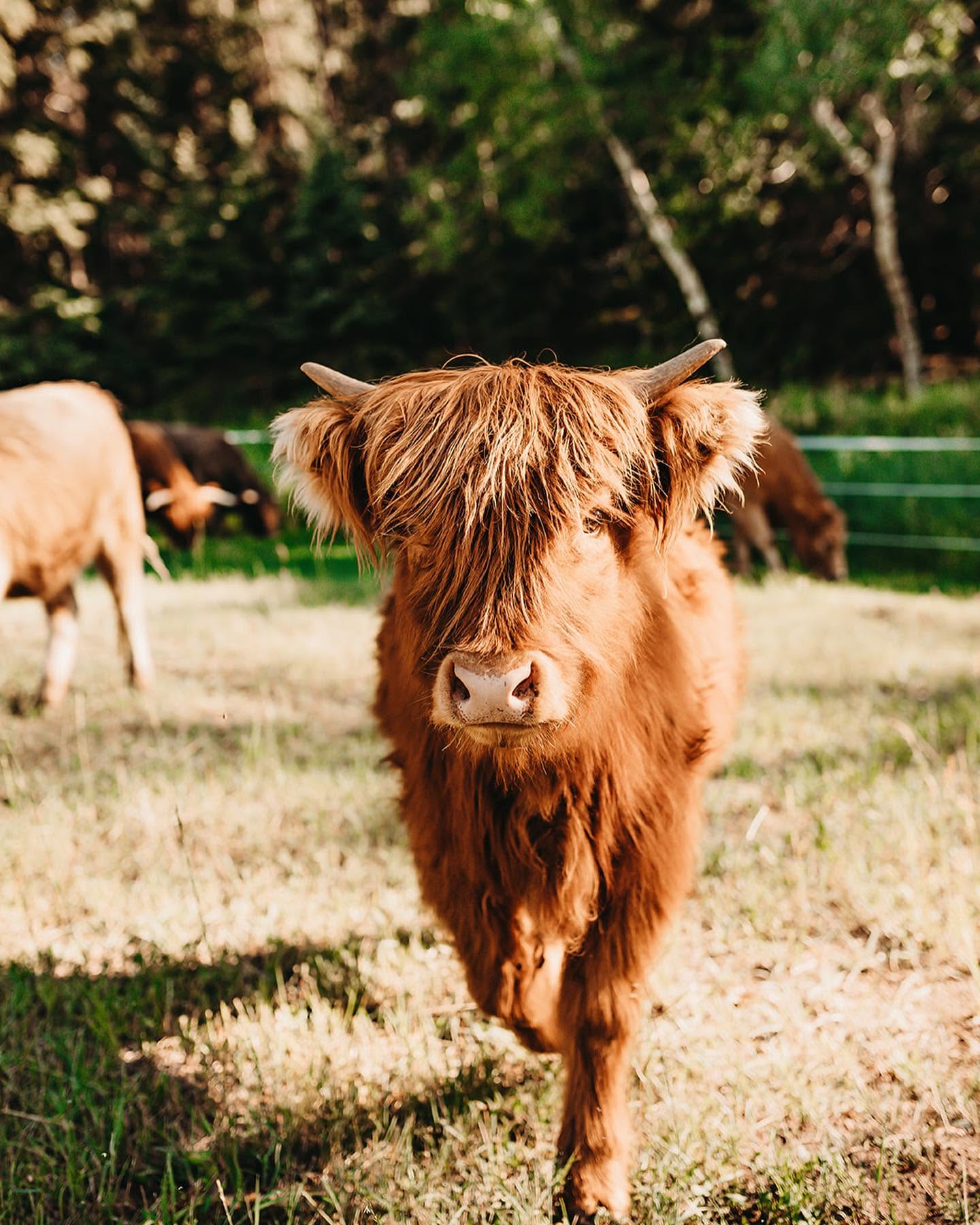
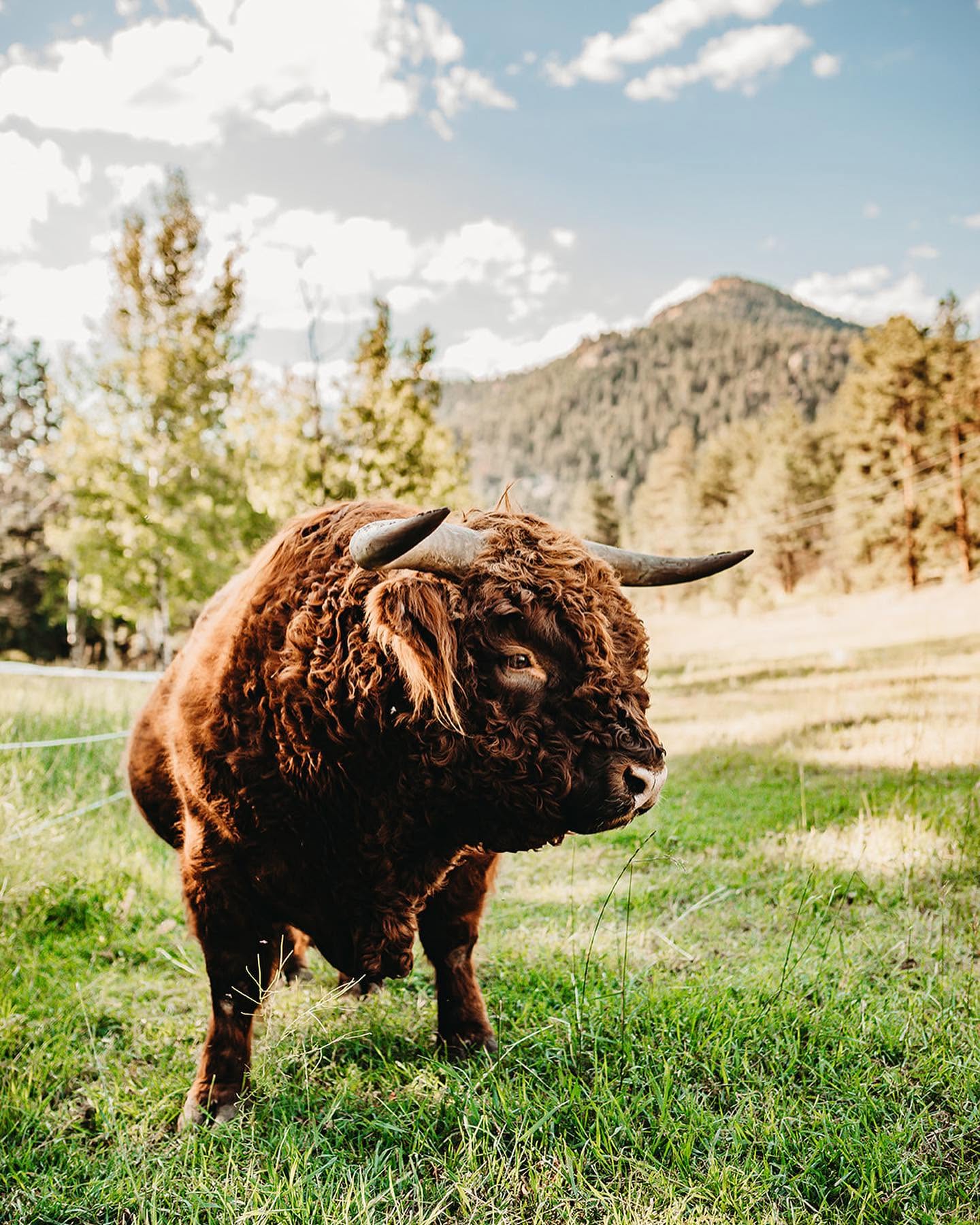
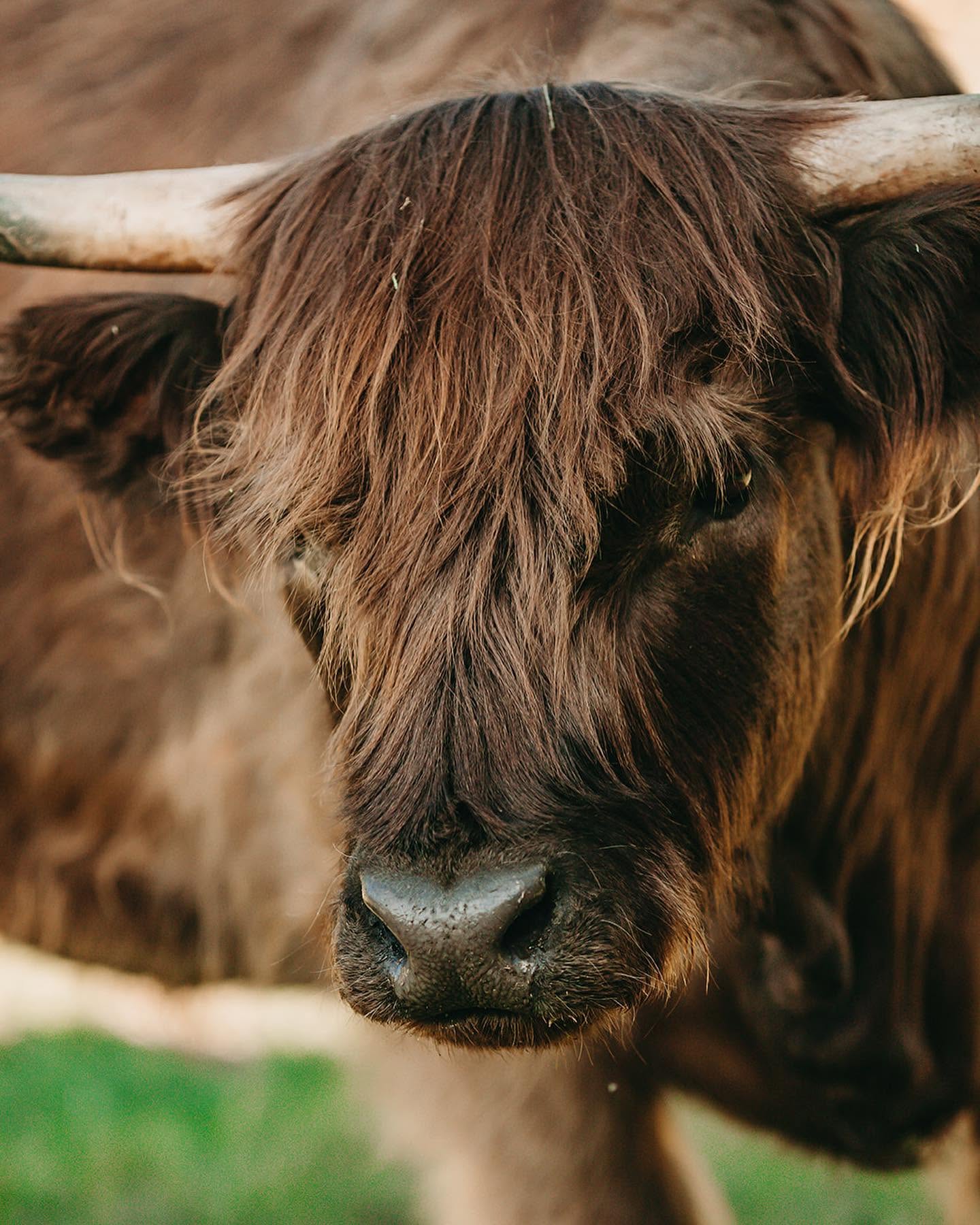
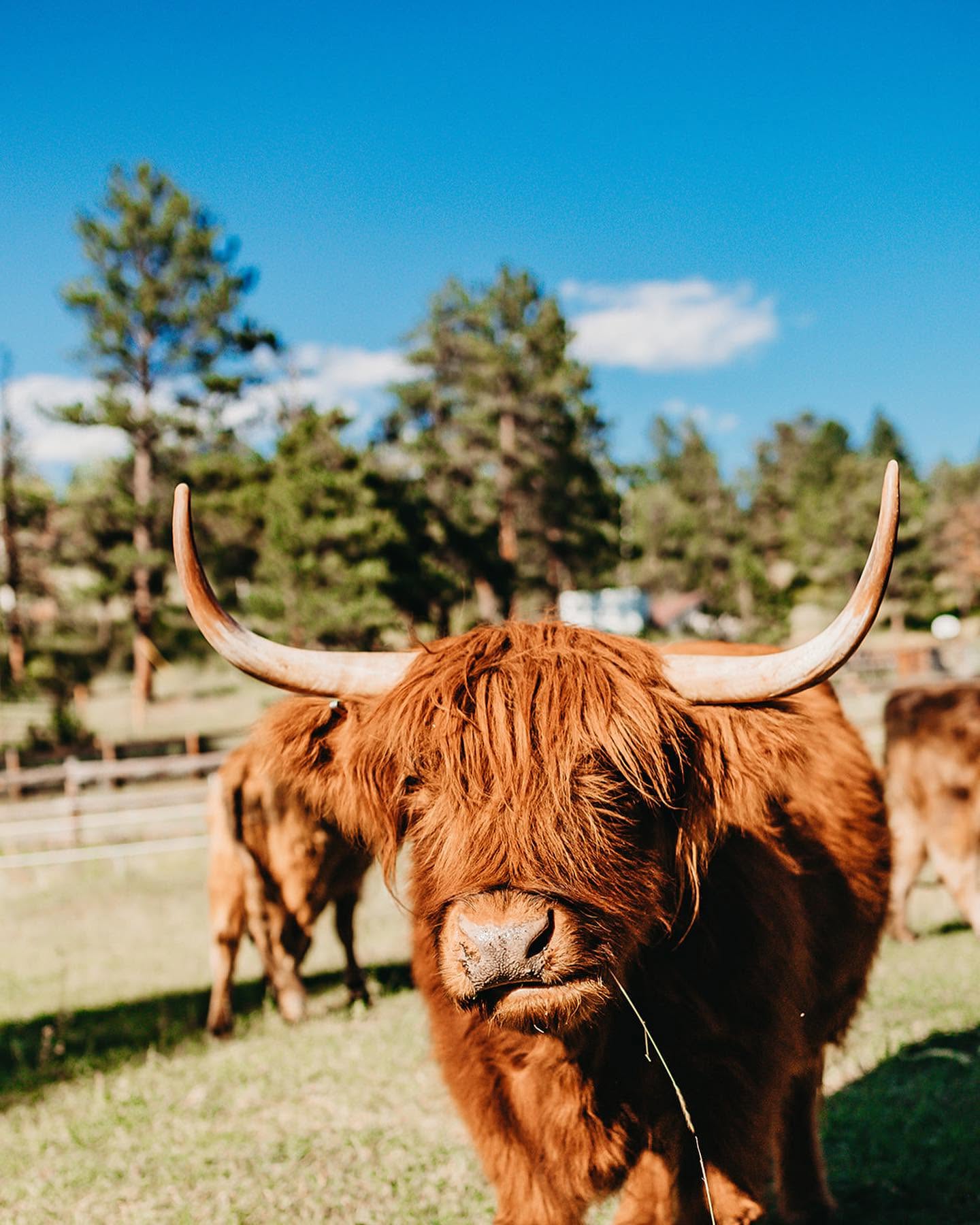
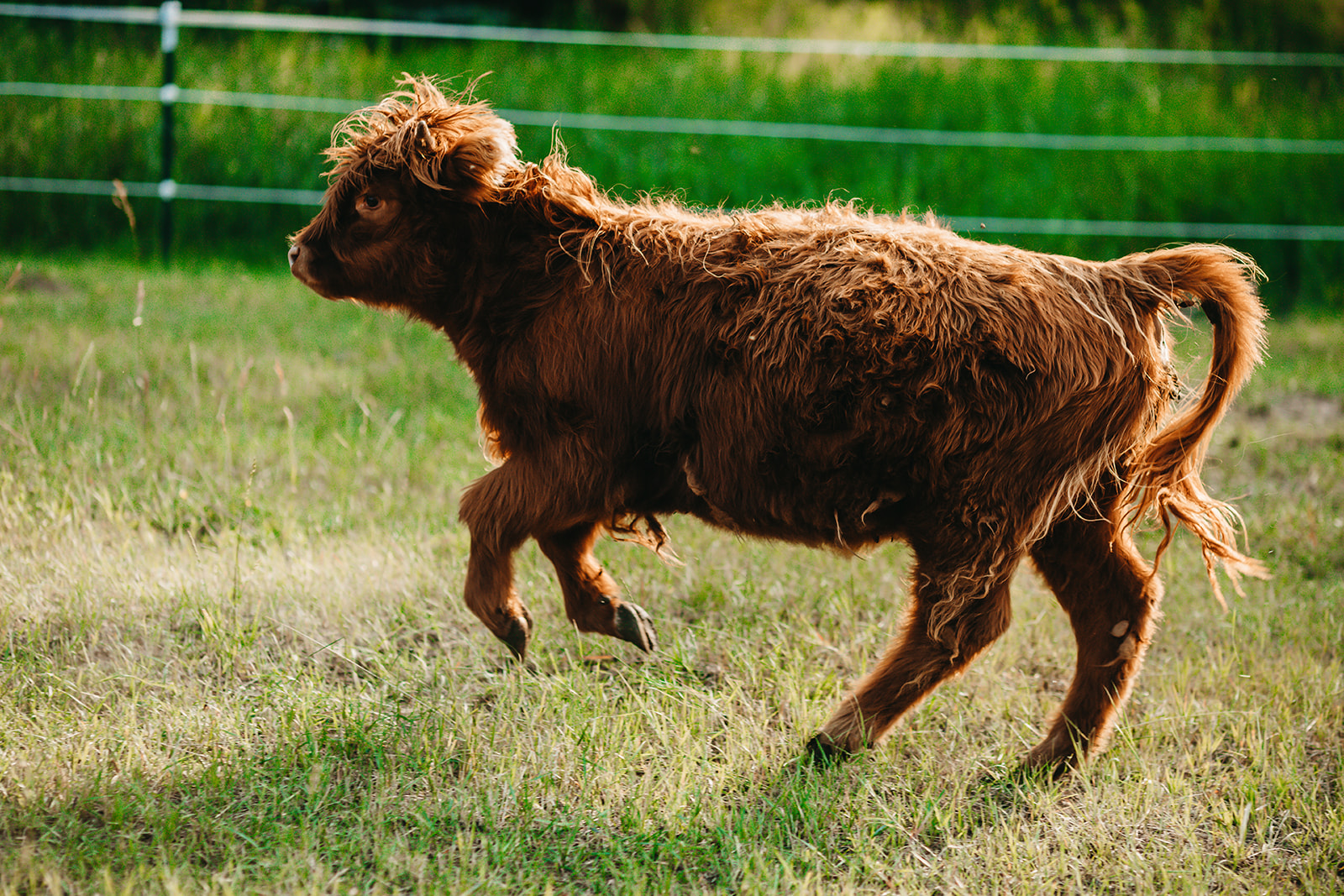
Our Highland cattle are unmistakable: sweeping horns, shaggy hair, hardy genetics, and centuries of history.
But what makes them remarkable goes far beyond their appearance.
We raise them because of what they represent: hardiness, adaptability, history, and a way of raising cattle that fits the land rather than asking the land to fit the cattle.
Highlands are an old Scottish breed shaped over centuries in rugged country. Those traits make them remarkably well suited to the kind of ranching we believe in.
We raise Highland cattle to preserve history and carry forward a kind of agriculture we believe in. They are hardy cattle and capable foragers that can thrive in challenging environments. On our Colorado ranch, they're part of a regenerative system built around living soil, healthy meadows and mountains, thoughtful grazing, and careful animal husbandry. And the result is something increasingly uncommon:
Beef with a history, a place, and a purpose.
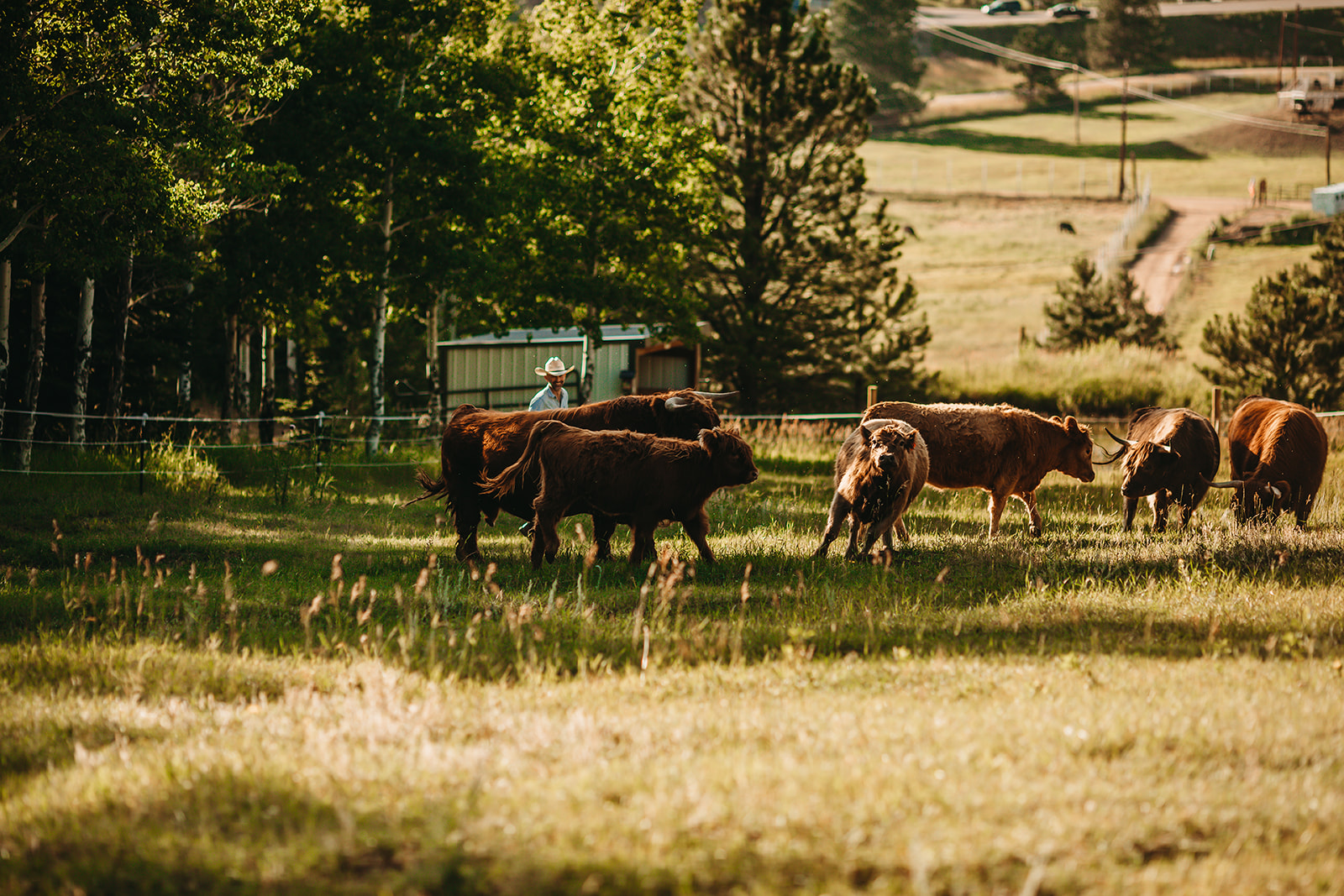
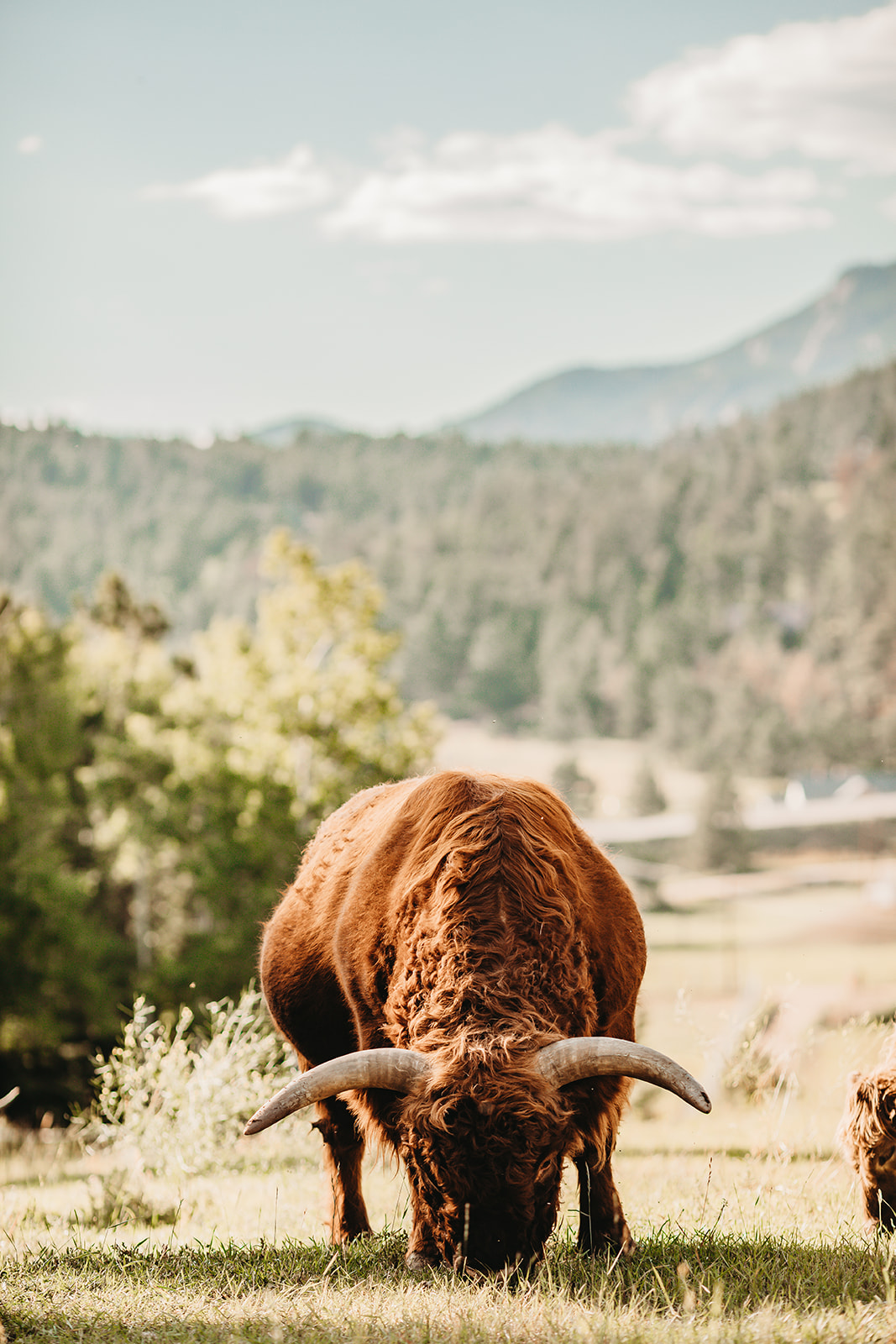
Built for the Mountains
Highland cattle developed in the rugged Highlands and islands of Scotland, where generations adapted to cold weather, rough terrain, and sparse forage.
You can still see that history written all over them.
Their famous double coat provides natural insulation. Strong feet and legs help them navigate rough ground. And their ability to forage makes them particularly well suited to a grazing-based ranch.
Those qualities matter here.
Our mountain pastures aren't perfectly manicured fields. This is varied, living country, and we want cattle capable of thriving within it.
Cattle That Fit Our Philosophy
We believe good ranching begins by paying attention to the land.
Instead of asking, How much can we take from this pasture? we try to ask:
How can livestock help us leave it healthier?
Managed thoughtfully, grazing animals can play an important role in grassland ecosystems. Their grazing, movement, manure, and periods of pasture rest all become part of the cycle.
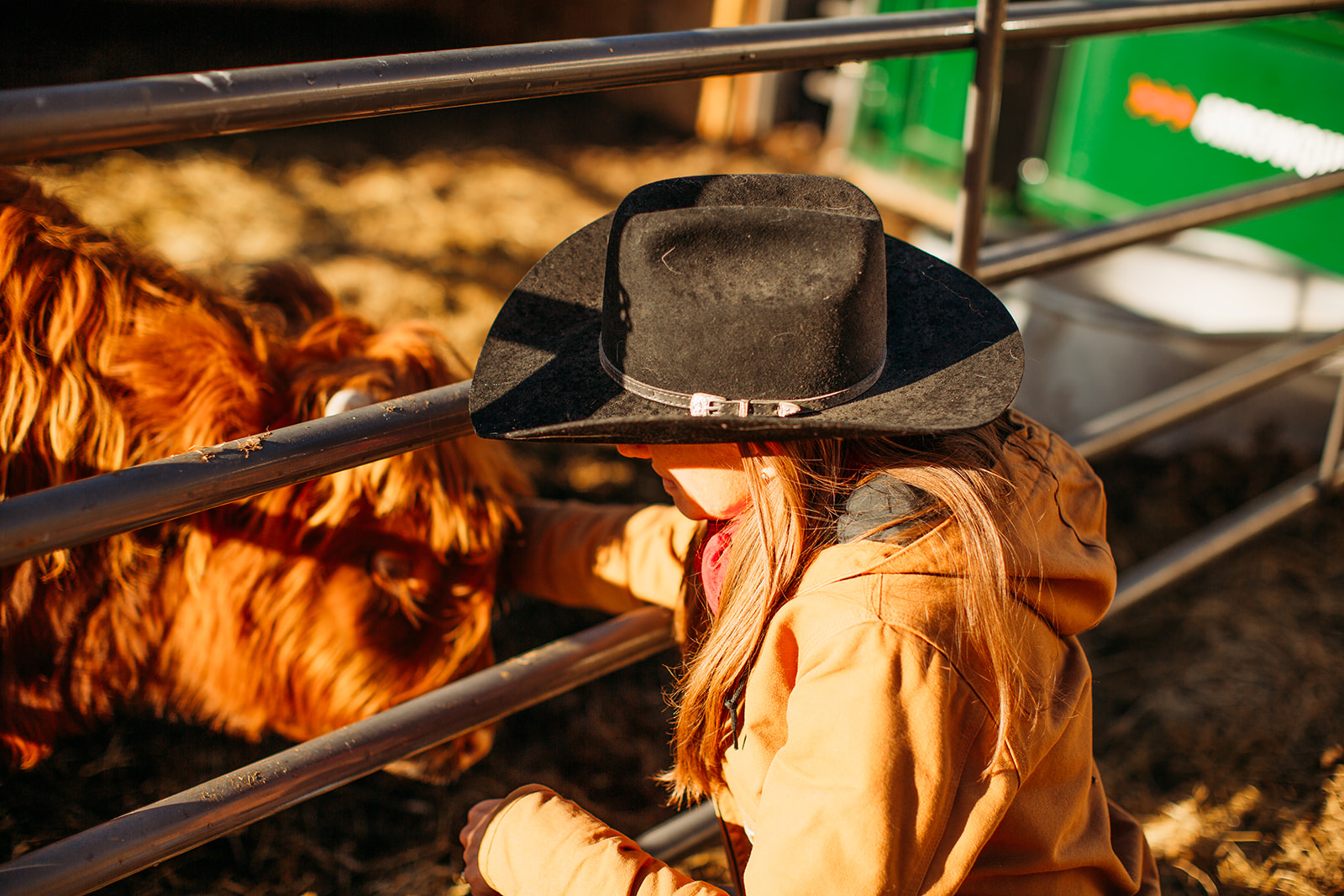
Our cattle aren't separate from our stewardship of the ranch. They're part of it.
Highlands are capable foragers, allowing us to raise cattle in a diverse landscape while working toward healthier soils, stronger plant communities, and more resilient pastures.
It's slower agriculture. More observational. More place-specific.
And that's okay with us.
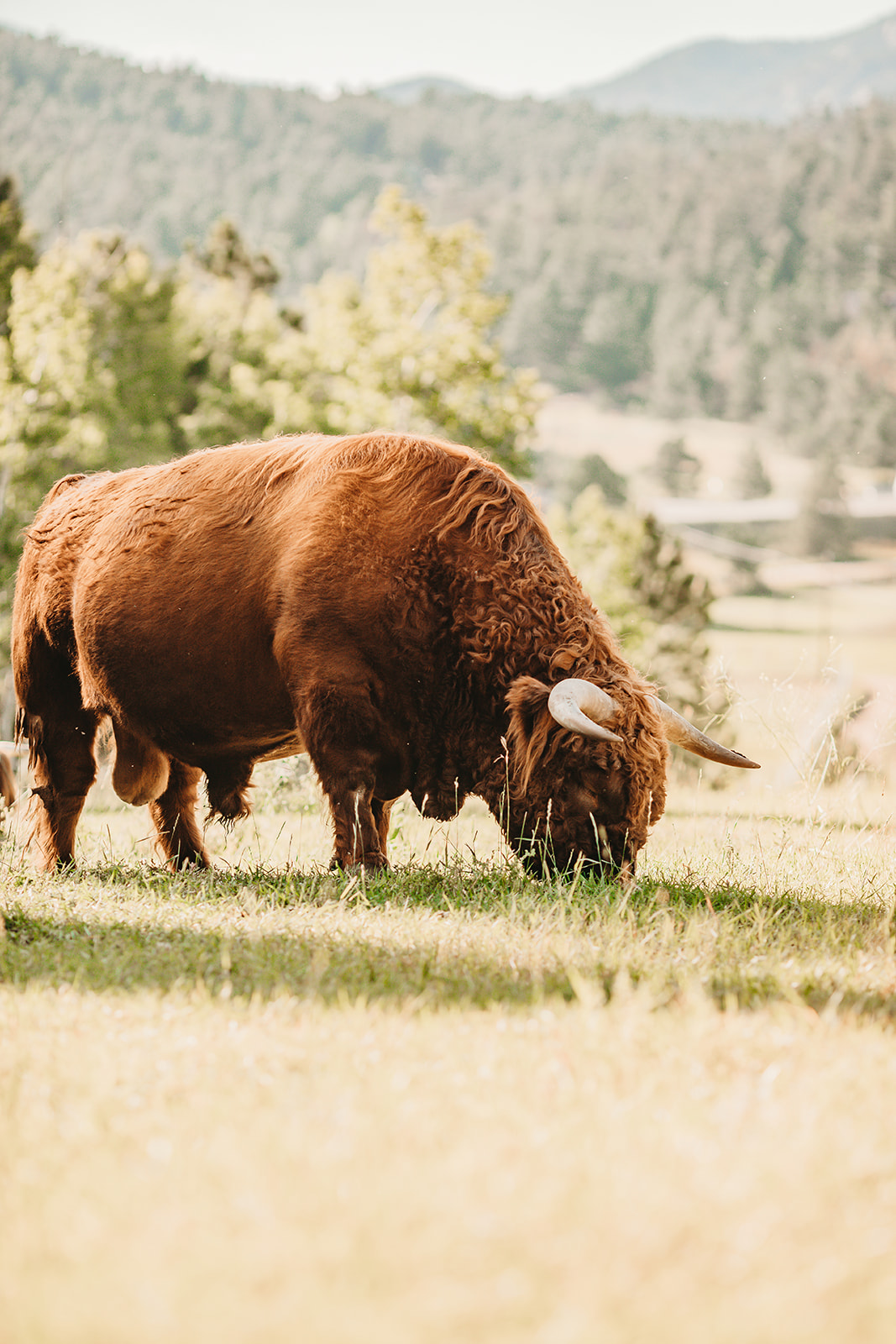
Why Highland Beef?
Highland cattle have long been valued for the quality, nutrition, and flavor of their meat. We value an animal that can thrive in our environment while producing exceptional beef.
For us, good beef begins long before it reaches the butcher.
It begins with genetics, grass, healthy soil, clean water, good animal husbandry, time, and respect for the animal.
That story follows the beef all the way to your table.
When you buy Highland beef from Wild Mountain Ranch, you're not simply purchasing meat. You're supporting the agricultural system that produced it.

Saving a Breed by Giving It a Job
Heritage livestock doesn't survive simply because people admire it.
It survives because farmers and ranchers keep raising it.
Highland cattle carry genetics shaped over centuries. Their hardiness, maternal instincts, foraging ability, and adaptability are part of agriculture's living inheritance.
Modern agriculture has understandably favored breeds and genetics suited to standardized, high-volume beef production. But agricultural diversity matters, too.
Once livestock genetics disappear, they aren't easily recreated.
We believe Highlands deserve more than a place in history books. They deserve a working future.
So our approach to conservation is practical:
- Raise them.
- Breed them thoughtfully.
- Put exceptional Highland beef on the table.
- Give people a reason to keep these genetics alive.
Conservation doesn't always happen behind glass.
Sometimes it happens in a pasture.

Looking for Highland Cattle?
We offer purebred Scottish Highland cattle for breeding, show, homestead, or companion animals.
Contact Wild Mountain Ranch to learn about current or upcoming availability.